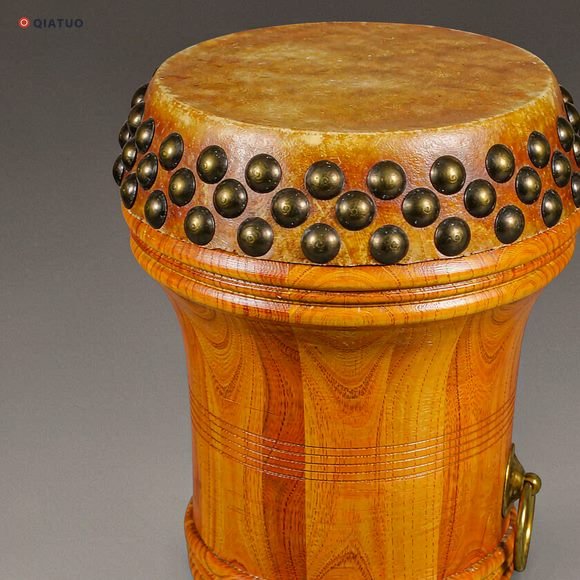
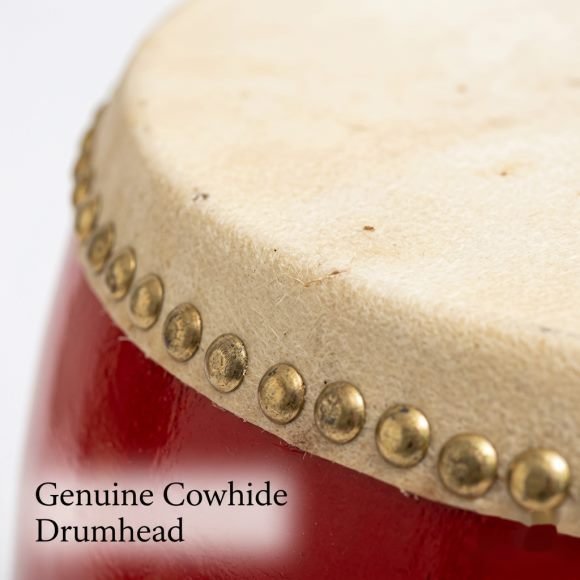
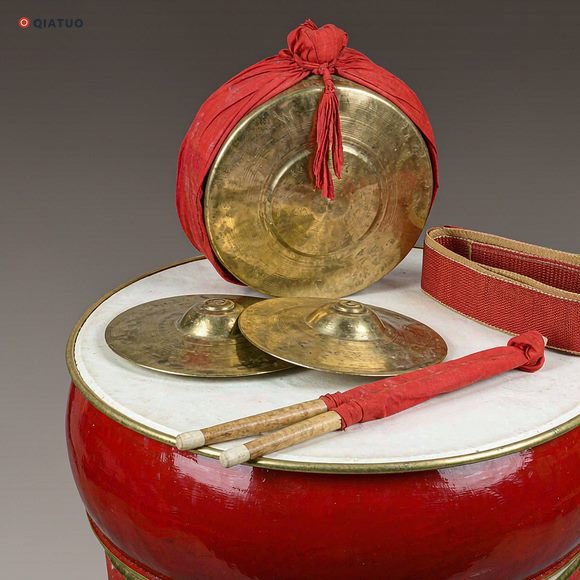
The principal stops you in the corridor: next term, the school wants a drum program — a number for the New Year show, a club that meets on Thursdays, something the parents can film. Good news: drums are among the easiest big instruments to start a program with, because a class can share six drums and still sound like a team. The hard part is that the shopping list is not obvious. Here is how a music teacher starts one from zero — room, sizes, budget order, safety — written for the teacher holding the purchase form. Everything below is the short version of what we tell schools every week.
Start With the Room and the Headcount
Measure before you buy. A classroom holds a different program than a hall: fifteen kids with small drums on straps can work in a music room, while a stage show wants full-size drums on stands and space between players. Count the students who will actually join, not the ones who sign up and drift away — a working rule is that around two thirds stay past the first month. Walk the space and ask three questions: where does the class stand or sit, where do the drums live between lessons, and how loud is too loud for the room next door. The answers shape every order you place after this. Photos of the room, sent before the order, solve most of it.
Sizes: Match the Drum to the Age
Age decides size more than talent does. Small hands need small drums; hand a seven-year-old a full-size barrel and you get sore wrists and bad habits. The early-learning ladder runs from a three-inch hand drum up to fourteen inches on a rolling stand, graded for exactly this. A quick map:
| Age group | Drum | Setup |
|---|---|---|
| 3–6 years | 3-inch mini | Hand-held, sheepskin head |
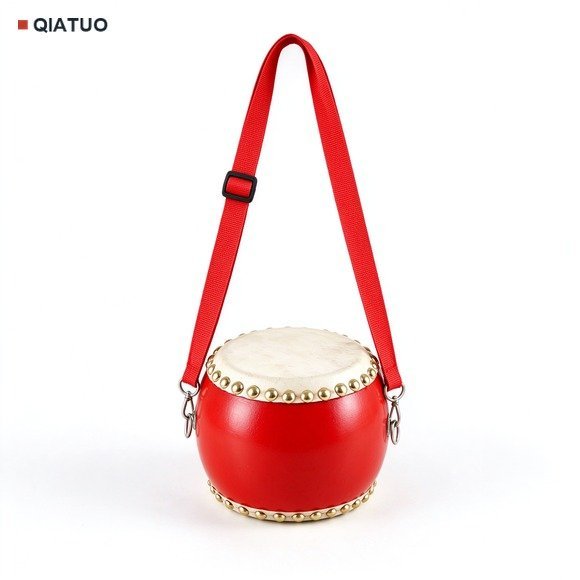
| 6–10 years | 5–10 inch | Strap-carried, cowhide head |
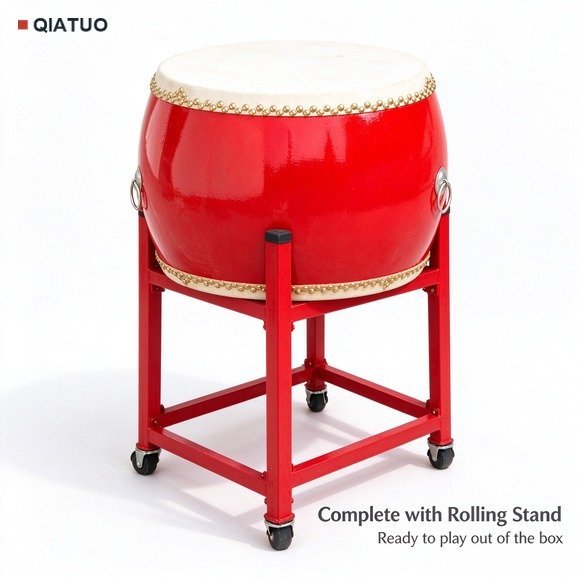
| 10–14 years | 12–14 inch | Rolling stand, classroom |
| Performance group | 8-inch sanjuban set | Full percussion kit |
Keep one size per group where you can — it makes tuning, storage and teaching all simpler. The full ladder lives on the kids early-learning drums page.
Budget: Order in the Right Order
Spend in this order and nothing wastes. First, the drums themselves — enough for your real headcount, not the brochure photo. Second, the hardware that keeps them playable: stands for anything over ten inches, straps for the smaller ones. Third, consumables and spares — extra sticks, a spare head if your supplier offers one, the bag that stops a drum dying in a storage cupboard. Last of all, the extras: painted shells, ribbons, matching outfits. The first three steps carry the program; the fourth only dresses it. A program that starts with plain drums and good hardware can always look better next term; a program that starts with beautiful drums and no stands looks worse by week three.
The Starter Set: What to Buy First
A first order that works for most schools: six to eight small drums for the club group, one or two classroom drums on stands for demonstrations, and — if a performance is already on the calendar — a sanjuban set, which puts a drum, a gong, cymbals and clappers into the hands of four students at once. That combination covers a club lesson, a class demo and a stage number without any single item sitting idle. Ask the factory what comes bundled: sticks ship with most drums, and some sets include a red silk banner and a video tutorial for the teacher who has never coached percussion before. The stage kit is on the sanjuban sets page.
Safety First: The Details That Matter
Check the edges before the sound. Rounded rivet heads, no sharp seams on the shell, and a finish that does not flake — those are the details to confirm on any drum children will carry. Weight matters as much: a drum a child can lift with one arm is a drum that survives a crowded music room. Stands need a wide, stable base and wheels that lock, because a rolling stand with a drum on top becomes a scooter the moment you look away. Ask for photos of the rivets and the stand base rather than the finished stage shot — build photos tell you what stage photos hide. A storeroom checklist helps too: stands folded, drums covered, sticks in their bags – five minutes a week that adds years to the gear.
Practice to Performance in One Term
One term is enough to go from silent to stage-ready if the sequence is simple. Weeks one and two: hold the sticks, find the center of the head, keep a steady count — no patterns yet. Weeks three to six: call-and-answer rhythms, one row answering another, which quietly teaches listening. Weeks seven to ten: build the performance piece around a spoken line or a chant, which gives the youngest players something to hold onto. Final weeks: rehearsals with the actual drums that will travel, so nothing surprises anyone. A four-player sanjuban routine or a six-drum line both fit this shape — the sequence matters more than the program size. If a week gets lost to exams or a holiday, the sequence holds; stretch it, do not skip the slow start.
When to Add More
Second term, expand sideways, not upward. Waist drums add marching and dance for the students who want to move — the nine-centimeter kids’ drum works from a young age, mapped on the waist drums page. A second sanjuban set doubles the stage roster without new teaching material. Resist adding new instrument types until the first ones sound tight: a school with eight well-played drums beats one with twenty unplayed ones. When the program is running, that is the moment for custom paint or school colors on the shells — an OEM conversation rather than a shopping one. Expansion should follow the students, not the catalog.
Frequently Asked Questions
How many drums does a class of thirty need?
Six to eight drums covers a class of thirty with players rotating in groups of four or five — rotation keeps everyone playing and the budget sane. If the group performs, add a sanjuban set for the stage team. The count follows your grouping, not the class register. Rotate the sticks too; they wear faster than heads.
What age can children start drumming?
Children take to a small hand drum as soon as they can hold a beat with help — three or four years old with a three-inch sheepskin drum. Structured school programs usually start around six with strap-carried drums, then move up to stands at ten or so. Sticks sized to small hands make the first months easier on both grip and confidence.
Which drum works for a New Year show?
The sanjuban set is the school classic: a drum, a gong, cymbals and clappers in the hands of four performers, loud enough for a hall of several hundred. One set needs no prior training, and the comedy-routine format gives every player a spoken part.
Talk to the Workshop
If you are holding the purchase form right now, send the room size and the age range — we will name the drums and the counts that fit, right here.