Ordering drums from a factory you have never walked into is a strange kind of trust. You pick a model from photos, wire a deposit, and wait for a container to show up at your port. Most orders go fine. The ones that go wrong fail on small things a checklist would have caught: a patched hide, a wobbly stand, a drum shell that cracked in transit. Here are the seven points we would check if we were buying — written by the people on this side of the container. None of the seven needs a lab or an inspector’s license; a phone, a video call and the questions below cover most of it.
| Point | What to check | Quick tell |
|---|---|---|
| 1. The hide | Animal, full-piece vs patchwork | Uneven grain across the head |
| 2. The shell | Wood or PVC, fit for purpose | Factory steers by need, not stock |
| 3. Hardware | Rivets, rings, stand welds | Full weld beads, no bubbles |
| 4. Size consistency | Head-to-shell pairing | Row photo before packing |
| 5. Packing | Cartons, edge wrap, hardware bagged | Photos of the packed carton |
| 6. Pre-shipment look | Video walk or third party | Offered without a fight |
| 7. After-sales | Damage and spares terms | Written into the invoice |
1. The Hide, Before Anything Else
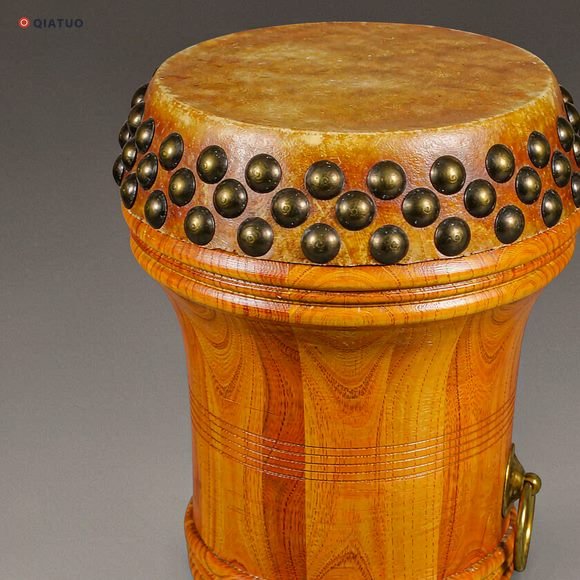
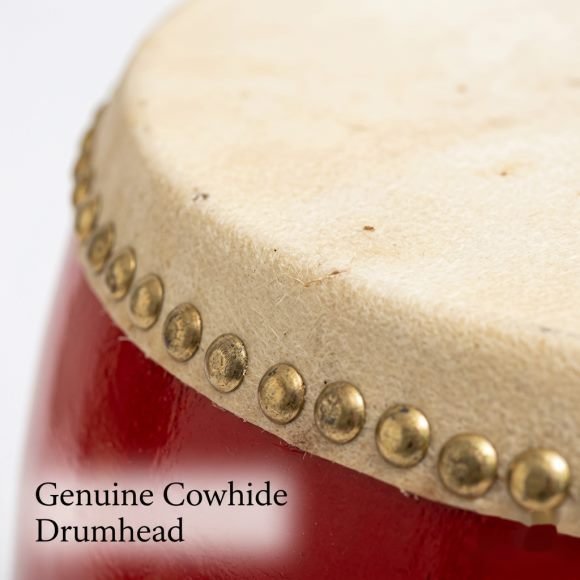
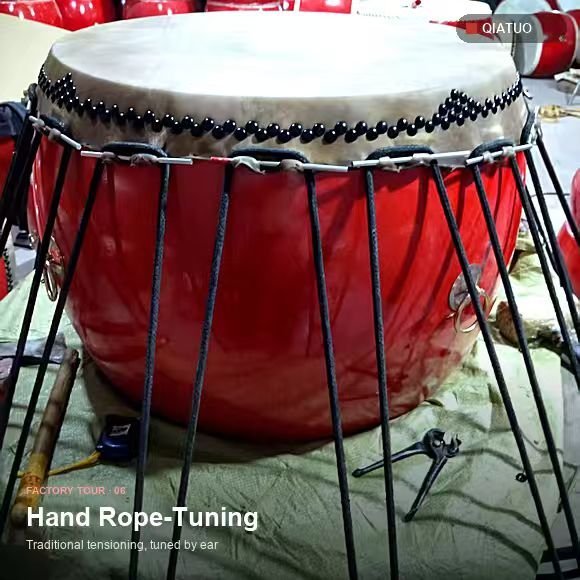
The drumhead is the product. Everything else is furniture around it. Ask what animal the head comes from and whether it is a full-piece hide or a patchwork. Water buffalo and yellow cowhide are the working standards for Chinese drums; full-piece heads carry tone longer and are the mark of a serious shop. Two quick tells you can request in photos: the grain and hair-follicle pattern across the whole head (a real hide shows it unevenly), and the edge, where a patch job gives itself away. Our own walkthrough of how a drum is made shows what a full hide looks like mid-process.
2. The Shell Under the Skin
Shells split into two families: wood and PVC, and the honest answer is that both have a job. Solid-wood staved shells — tanggu, war drums, flower pot drums — carry the deep tones and take paint beautifully. One-piece PVC shells show up on waist drums, chest drums and kids’ lines, where weather and knocks are part of daily life. What you should press on is fit for purpose: a parade drum in a coastal city wants PVC; a temple hall wants wood. A factory that steers every buyer to the same shell is a factory selling what it has, not what you need.
3. Hardware That Takes a Beating
Drums get hit. That is the entire point, so the hardware takes as much punishment as the head. Check three things on any sample or photo set: the rivets or tacks along the head edge (rounded, evenly spaced, and actually holding), the ring and lugs where a strap or stand mounts (thick metal, no casting bubbles), and the stand welds (a bead that runs the whole joint, not a spot-weld in the corner). Small wobbles here turn into a drum that slowly walks itself offbeat across a stage.
4. Size Consistency Across an Order
Handmade drums carry a working tolerance — ours runs one to three centimeters on diameter, and any honest workshop will say something similar. The question is not whether tolerance exists; it is whether your order of thirty drums arrives as thirty nearly-identical instruments or thirty cousins. Ask how the workshop pairs heads to shells, and request a photo of your actual drums laid out in a row before packing. A row shot tells you more than any certificate.
5. Packing That Survives the Port
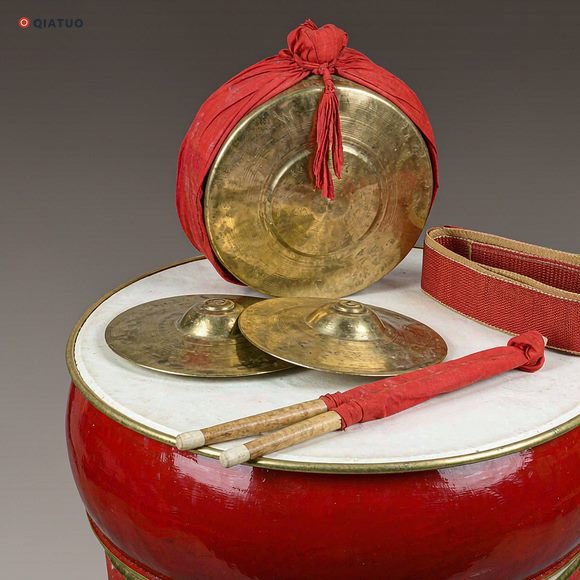
More drums die in transit than in performance. A drumhead is raw skin: it drinks moisture, dents under point pressure and hates being stacked flat. Decent packing means individual cartons, edge protection on the head, and stands broken down with their hardware bagged and taped to the frame. Ask to see photos of a packed carton, not just the drum. If your order shares a container with other goods, say so early — drumheads and fertilizer, for example, should never share a box.
6. Eyes on the Goods Before They Sail
Some kind of pre-shipment look is worth arranging on any first order, and it does not have to be fancy. A video call walk-through of your drums, laid out with the day’s date on paper, catches most problems. Third-party inspection services exist if the order is big. What matters is that the offer comes from the factory side without a fight — a workshop with confidence in its own output invites the look. Our piece on the Matun drum village shows the floor these walks happen on.
7. After-Sales Terms in Writing
Drums are skins and wood, and skins and wood are alive. Ask, in writing, what happens if a head arrives with a tear, a stand with a bent leg, a shell cracked by transport. Our own terms run to a one-year replacement on non-man-made damage, and spares — sticks, straps, bags, stand parts — ship against a simple list. Whatever your supplier offers, get the sentence into the invoice or the email chain. A term that is not written down is a term you will be arguing about later.
How We Run These Seven at the Factory
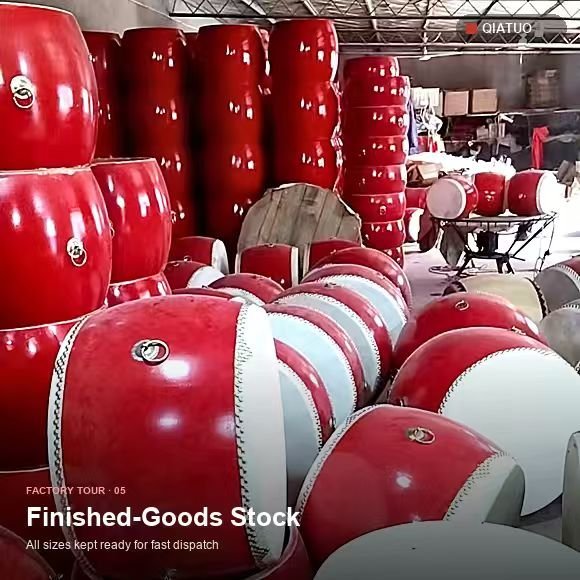
None of this is exotic; it is what any careful workshop already does. Hides are selected and matched to shells by hand. Hardware gets a pull test before assembly. Rows of finished drums wait in our stock room, photographed in batches before packing. Buyers sometimes ask which of the seven matters most. In our log it is the first and the last: a good hide keeps the drum musical, and written after-sales terms keep the relationship easy when something small goes wrong. For buyers who want their own brand on the shells, the OEM and ODM line runs the same checklist with your logo added to it. The checklist is not a barrier to a fast order — it is how fast orders stay good orders.
Frequently Asked Questions
What should I check before paying a deposit?
Three things: a photo set of the actual production line making your model, the after-sales terms in writing, and a packing plan for your carton count. If a factory handles those three quickly and clearly, the rest of the order usually follows the same way. Ask for all three in one message; how fast and how completely they come back is itself a read on the workshop.
Can I order a sample before committing to a full shipment?
Most workshops, ours included, will ship a single drum so you can judge the head, shell and hardware in person. A sample costs more per drum than a container load, but it buys the right to skip a bad order entirely. Ask for the same model and size you plan to order in bulk, not a showroom special.
How are drums packed for sea shipping?
Individually cartoned, heads protected with edge wrap, stands broken down with hardware bagged and taped to the frame. Heads travel best in neither extreme heat nor damp, so cartons get sealed and kept off container walls. Tell your supplier what else shares the container so nothing damp or sharp rides beside the drums.
Talk to the Workshop
Run your first order against these seven points with us — send your requirements here and we will answer each one before you ask.